How to Choose Ice Packs and Insulated Mailers for Shipping Perishables: Polar Tech vs CoolPac vs ColdChain
Introduction
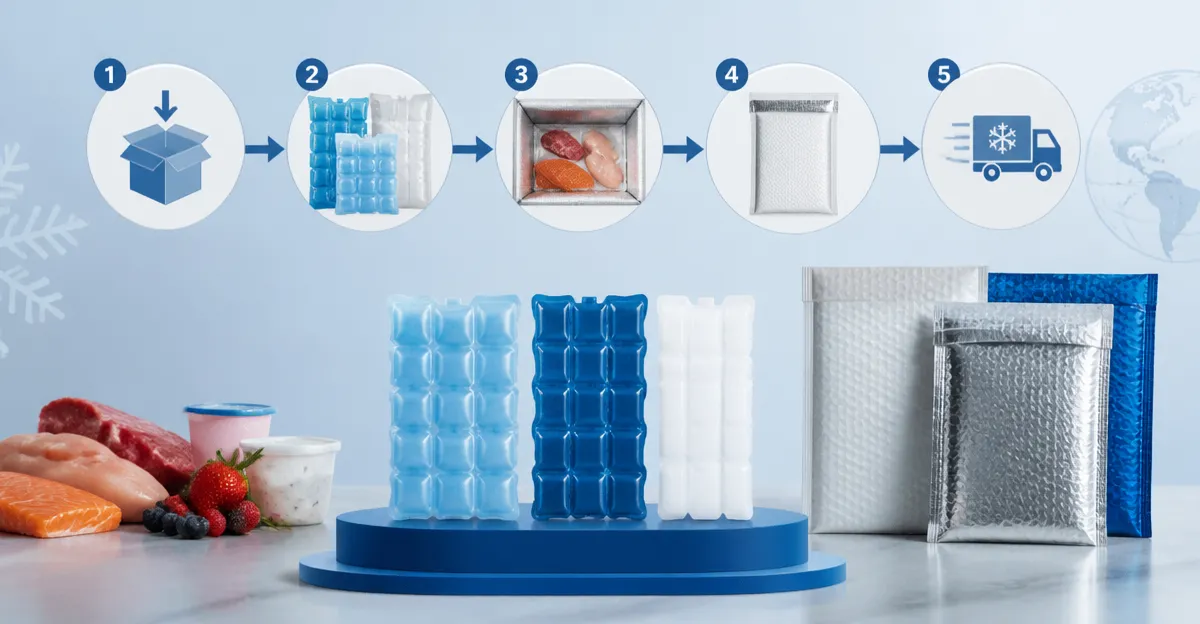
The guide explains how one can evaluate temperature‑sensitive shipments, select appropriate cooling agents, and pair them with reliable insulated envelopes. It demonstrates why proper packaging reduces spoilage, protects regulatory compliance, and enhances customer satisfaction. Readers will learn to balance cost, size, and performance while using real‑world products that have earned high ratings on Amazon. The information is valuable for small businesses, e‑commerce sellers, and anyone who ships food, cosmetics, or medication.
What You’ll Need
- Polar Tech Ice Packs – 6 oz reusable cold packs (48‑pack)
- BOX USA Ice‑Brix Gel Ice Packs – 3 oz compact cold packs (96‑pack)
- QIQIDAI Thermal Bubble Mailers – 8" × 11" insulated envelopes (10‑pack)
- PACRON Insulated Foil Mailers – 6.5" × 11" foil‑lined mailers (100‑pack)
- Puaishiye Insulated Shipping Mailers – 8" × 11" waterproof mailers (10‑pack)
Step 1: Assess Product Requirements
One should begin by identifying the temperature range, weight, and fragility of the items to be shipped. Perishable foods typically require a 0‑4 °C environment, while many cosmetics and medication demand a cooler 2‑8 °C range. The volume of the product determines whether a larger 6 oz ice pack or a compact 3 oz pack will fit without compromising space. By documenting these parameters, the shipper can later match them to the specifications of the recommended products.
Step 2: Select Appropriate Ice Packs
The next step is to choose a cooling agent that delivers long‑lasting cold retention while fitting inside the chosen mailer. Polar Tech Ice Packs provide 6 oz of reusable gel, measuring 6" × 4" × ¾", and are praised for their leak‑proof construction and efficient energy transfer. Priced at $17.39 for a 48‑pack, they hold a 4.6/5 rating from 2,226 reviews, making them a cost‑effective choice for larger shipments such as meal kits or bulk cosmetics. For tighter spaces, BOX USA Ice‑Brix Gel Ice Packs weigh only 3 oz, measuring 5" × 2.75" × ¾", and are ideal for small medication parcels or lunch boxes; the 96‑pack costs $49.48 and also carries a 4.6/5 rating from 353 reviewers. The decision hinges on whether the shipment volume can accommodate the larger 6 oz pack; if not, the compact 3 oz pack ensures the mailer remains sealed without bulging.
Step 3: Choose the Insulated Mailer
After selecting the ice pack, one must pair it with an insulated envelope that maintains temperature and protects against moisture. QIQIDAI Thermal Bubble Mailers offer an 8" × 11" interior, a self‑adhesive tamper‑evident seal, and a multilayered polyethylene construction that blocks conduction and convection. They cost $22.59 for a 10‑pack and have earned a 4.7/5 rating from 476 customers, indicating strong satisfaction with durability and waterproof performance. For a slightly smaller footprint, PACRON Insulated Foil Mailers combine metallic foil lining with bubble cushioning, measuring 6.5" × 11" and sold in a 100‑pack for $69.18; they hold a 4.6/5 rating from 111 reviews and excel when the shipper needs a slimmer profile without sacrificing thermal protection. Finally, Puaishiye Insulated Shipping Mailers provide an 8" × 11" size with reinforced waterproof seams and a tamper‑evident seal, priced at $14.99 for a 10‑pack and rated 4.6/5 by 99 reviewers. The choice among these mailers depends on the dimensions of the ice pack, the weight of the product, and any branding or regulatory requirements.
Step 4: Assemble and Seal the Package
Begin by freezing the chosen ice packs flat in a freezer for at least four hours to ensure full solidification. Place the frozen pack at the bottom of the mailer, then add the product wrapped in a secondary barrier such as a zip‑lock bag to prevent moisture transfer. Position any additional ice packs on top if the shipment duration exceeds 24 hours; the self‑adhesive seal on the QIQIDAI or Puaishiye envelopes will create a tamper‑evident closure that cannot be opened without leaving a visible void. Press firmly along the seal edge, ensuring the adhesive contacts the entire surface; this prevents accidental opening during transit and provides a visual indication of any tampering. Finally, label the package with the recipient’s address and any required handling symbols such as “Keep Refrigerated”.
Step 5: Ship and Track the Package
Select a carrier that offers temperature‑controlled handling or at least a reliable tracking system. Provide the carrier with a note indicating that the package contains perishable goods and must remain upright; many carriers respect “Do Not Stack” instructions when the mailer is clearly labeled. Monitor the shipment through the carrier’s online portal, and if possible, request delivery confirmation to ensure the recipient receives the product within the intended window. Prompt delivery combined with proper insulation and ice packs maximizes product freshness and minimizes the risk of spoilage.
Tips & Pro Tips
- Pre‑freeze ice packs for at least six hours; a partially frozen pack will not maintain temperature effectively.
- Use a secondary moisture barrier for food items to avoid any condensation from the ice packs.
- When shipping multiple items, distribute ice packs evenly to avoid cold spots.
- Consider adding a temperature indicator strip inside the mailer to verify that the required range was maintained.
- Bulk purchases of mailers and ice packs reduce per‑unit cost and simplify inventory management.
Troubleshooting
If the package arrives warm, verify that the ice packs were fully frozen before packing and that the mailer was sealed correctly. Check for any gaps or tears in the mailer’s seams; a compromised seal can allow warm air to infiltrate. In cases where the product is unusually heavy, ensure the carrier’s weight limits are not exceeded, as excess weight can cause mishandling. Finally, review the carrier’s transit time; if the route exceeds the ice pack’s rated hold time, consider adding an extra pack or selecting a faster shipping option.
Conclusion
The guide has outlined a systematic approach to selecting ice packs and insulated mailers, emphasizing product specifications, cost efficiency, and regulatory compliance. By assessing temperature requirements, matching ice pack size, choosing a suitable insulated envelope, and sealing the package correctly, one can ship perishables with confidence. The recommended products—Polar Tech Ice Packs, BOX USA Ice‑Brix Gel Packs, QIQIDAI Thermal Bubble Mailers, PACRON Foil Mailers, and Puaishiye Insulated Shipping Mailers—provide a range of options that suit diverse business needs. Implementing these practices will reduce waste, improve customer satisfaction, and support sustainable shipping operations.
Frequently Asked Questions
What factors should I consider when selecting ice packs for shipping perishables?
Consider pack size, cooling duration, reusability, and the weight‑to‑cooling ratio needed for your product.
How do Polar Tech, BOX USA Ice‑Brix, and QIQIDAI ice packs differ?
Polar Tech offers 6 oz reusable packs for longer cooling, BOX USA provides compact 3 oz gel packs for lightweight shipments, and QIQIDAI’s packs are designed for small parcels with quick freeze.
Which insulated mailer works best with the listed ice packs?
QIQIDAI Thermal Bubble Mailers (8"×11") snugly fit the ice packs and provide reliable thermal protection for most e‑commerce parcels.
Can I combine multiple ice packs in one insulated mailer?
Yes, layering or clustering compatible packs can extend the temperature hold, but ensure the mailer remains sealed and not overfilled.
Do these packaging solutions help meet regulatory shipping requirements?
Properly rated ice packs and insulated mailers maintain required temperatures, aiding compliance with food, cosmetics, and medication shipping regulations.